
Do a periodic financial health review to be able to focus on your financial goals
Vivian Wei Tao is an experienced investor and blockchain enthusiast looking to democratise finance for the next generation. She started her career in corporate finance for a multinational corporation in China before working for Google in adtech and cloud computing in both Greater China and Silicon Valley. She’s a long standing investor in public equities and a self-taught (and successful) day trader. Vivian holds a Bachelor's degree in economics and applied statistics from the University of Michigan, Ann Arbor and an MBA from INSEAD.
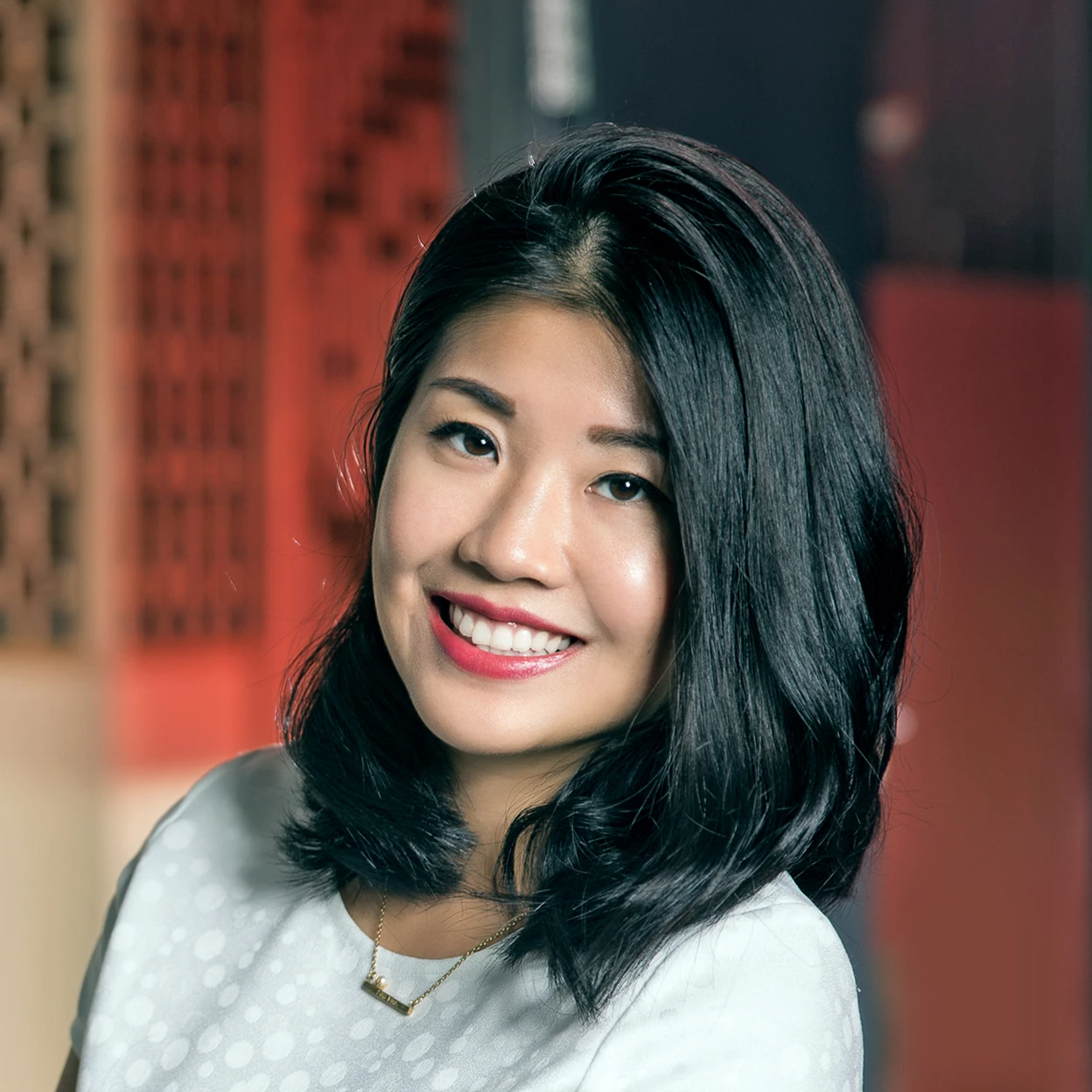
For some people, money isn’t something that is discussed at home. This was not the case for Vivian Wei Tao. “Growing up my parents often talked about their stock portfolio, their 401k, saving, and investing in general,” she says. She thinks it ought to happen more often. “In this generation I’d like to see schools and policymakers step it up and introduce personal finance into every child’s curriculum and for families to be talking about money and investing at the dinner table. Over the years I’ve met numerous retirees (including my parents) that worked middle class jobs but were financially wealthy because they invested well and built wealth.”
Her undergraduate degree in economics and applied statistics provided her with the analytical thinking skills necessary to consider the macro vs microeconomic factors that impact the world. Her first post-university job was in corporate finance where she did everything from Treasury and M&A to Investor Relations. These experiences, along with what she had learned at home, made opening a brokerage account and investing a “no-brainer” to her.
Vivian knows that women are generally more risk averse than men because they have an instinct to protect their homes and loved ones, so the thought of potentially losing money is difficult. She thinks that there are misconceptions about investing: that it is gambling and involves taking huge risks. She notes that there are many ways to take smart risks when investing that will still grow your money.
Vivian firmly believes that women should not think that only men can be the “breadwinners” or that investing is too risky for them. “Women should be empowered to take control of their own financial situation, from earning their own money to growing their money, and, of course, spending their own money! “
She recognises there are many layers to the gender wealth gaps and points out the expansion of services that equalise the world of investing across genders, knowledge levels, and socioeconomic status as companies have simplified information and ease of use, allowing retail investors to effortlessly participate. She also mentions the growing number of female social media influencers that focus on spreading knowledge about personal finance. For her, the wealth gap means it is even more important for women to start investing early on.
When it came to trading for herself, she says, “I knew the basics of financial modelling and valuing a company. I knew how stocks worked and what things like long, short, options, etc. were but not much beyond that. However, the analysis and psychology behind trading vs. investing are very different. I spent a lot of time on Youtube, learning the fundamentals from those who had been doing it for decades, watching live streams of people trading, and practising on my own in a simulation account.”
She points out that there are many really digestible videos on Youtube about investing. “You don’t need to have worked in finance or know how to value a company to invest. I would recommend new investors try to understand the fundamentals of investing and then assess their own risk tolerance. They can then decide what is the right investment strategy for them. If you are limited on time but have money to invest, there are services that provide wealth management coaching and managed investing tools.”
Vivian thinks everyone should do a periodic financial health review. This means understanding their current financial situation, i.e. income, debt, expenses, short / long term financial goals, and risk tolerance. She says, “ I have always tried to have a diversified portfolio and adjust the weighting based on my financial health metrics. I have investments in real estate, public equities (stocks), cryptocurrencies, and in private equity. My stock portfolio is highly diversified across less risky blue chip companies/etfs and riskier companies.” Her advice to those just starting out: “pick one asset class you feel comfortable with and put a little bit in at a time. I know well-versed investors who only invest in a handful of ETFs because that’s what they are comfortable with. The key is to have your money work and grow itself. “
Vivian thinks women should treat investing and personal finance as another thing to nurture and grow like their health or relationships. She doesn’t want the focus to be on asset classes, but on overall financial goals. She says that every woman’s risk tolerance, interest level and time availability will help dictate what investment route they take.
She admits that her own investment goals and strategy have changed over time. In her 20’s she was an active stock investor, buying and selling individual stocks on a monthly basis. Now she has multiple accounts for various purposes; long term/passive investment accounts, cryptocurrency and riskier assets accounts, and a day trading account. She only adds new asset classes to her passive investment accounts if she truly believes it will continue to grow in the next 20-30 years. She always assesses the risk versus return of each investment opportunity.
Vivian thinks any managed fund is a good place for a new investor. “It is where I still place a lot of my income,” she says. “You can look up any fund online and see the assets included and the historical returns. For my long term investment account I favour the large ETFs with proven track records (SPY, VOO, QQQ, etc.). There are also certain sectors or regions that I’m familiar with and believe have high growth potential so I invest in sector or geo specific ETFs (cloud computing, Asia, etc.).”

